



















































































Postpartum sexuality: rediscovering pleasure at your own pace
After childbirth, the body undergoes a radical transformation—and yet, no one really talks to you about it. Nearly 83% of people who have given birth report sexual difficulties in the months following the birth. Vaginal dryness linked to an estrogen drop, episiotomy scars, deep fatigue, a body image turned upside down... The list is long, normal, and above all, rarely discussed. This silence often creates more pressure than the reality itself. Resuming an intimate life after childbirth follows no universal calendar: some people feel desire at six weeks, others at six months—and both are perfectly valid. What matters is listening to your body without comparing it to a norm that doesn't exist.
Your body has just done something extraordinary. It deserves curiosity, not guilt.
Why caring about it really changes things
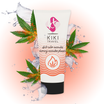
Understanding what happens physically and emotionally after birth is already about taking back control of your pleasure. Natural lubrication can take several weeks to return, especially if you are breastfeeding—a high-quality lubricant is not a luxury, it is a practical aid that transforms the experience. As for the couple, reopening the conversation about desire—without expectations of performance—strengthens intimacy well beyond sex. And on a personal level, exploring masturbation or gentle stimulation allows you to reconnect with your own sensations even before considering a relationship with a partner. Postpartum pleasure is not a reward earned after healing. It is a full part of the recovery process.
Frequently asked questions about sexuality after childbirth
When can sexual activity be resumed after childbirth?
The six-week rule is a minimum medical guideline, not an automatic green light. It corresponds to the basic healing period—but your desire, your pain, and your emotional comfort matter just as much. There is no obligation to resume at a specific date. The essential thing is that you feel ready, physically and mentally, without outside pressure.
Why does it hurt during intercourse since I gave birth?
Pain during intercourse after childbirth—called dyspareunia—is very common. It often stems from vaginal dryness linked to an estrogen drop, an episiotomy scar that is still sensitive, or tension in the pelvic floor. An appropriate lubricant and follow-up pelvic floor physical therapy often make a real difference. Consulting a healthcare professional is always a good idea if the pain persists.
Is it normal to have no desire at all after giving birth?
Completely normal—and even very common. The sudden hormonal drop after childbirth, chronic sleep deprivation, and the mental load linked to the new role of a parent are powerful libido-killers. It is neither a sign that something is wrong in your relationship nor a permanent shutdown. Desire generally returns when the body and mind get a bit of a breather. Take your time without blaming yourself.
Explore also: Endometriosis and sexuality · Menopause and sexuality