




























































Menopause and sexuality: your pleasure doesn't retire
Around the age of 51 on average, periods stop — but desire, for its part, did not receive the memo. However, nearly 80% of menopausal women report changes in their sex life: vaginal dryness, lower libido, and altered sensations. This isn't a fatality; it's a transition. The body is reorganizing, hormones are redistributing, and pleasure zones can evolve. What worked before may require an adjustment. What was never explored can become a real revelation. Understanding what is happening is the first step to continuing to live your sexuality fully — without shame, without resignation. Because pleasure doesn't have an expiration date; it sometimes just needs a new address.
Why taking care of your sexuality after menopause means taking care of yourself
A fulfilling sex life after menopause isn't a luxury — it’s a pillar of overall health. Orgasm stimulates pelvic blood circulation, which helps combat dryness and mucosal atrophy. In other words, the more you maintain your sexuality, the more comfortable it is to do so. It is also a powerful regulator of stress and mood, during a period that can otherwise be emotionally charged. And for those in a relationship, it is often a precious space for reconnection — one to rediscover, to reinvent, with more freedom and less pressure than at 25.
The right tools for a comfortable and pleasurable sex life
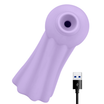
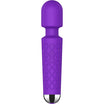
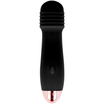
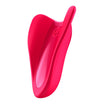
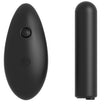
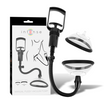
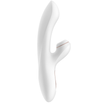
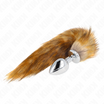
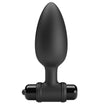
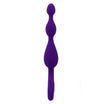
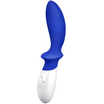
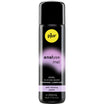
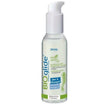
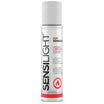
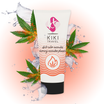
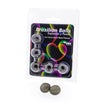
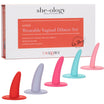
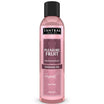
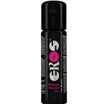
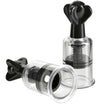
The intimate wellness market has evolved significantly. At quedulove.store, you will find products designed to meet the concrete needs associated with this period. Water-based or silicone-based lubricants are essential to compensate for vaginal dryness and make every moment gentler. Gentle, low-vibration stimulators allow you to rediscover erogenous zones with delicacy. Progressive vaginal dilators help maintain tissue comfort and elasticity. And suction clitoral stimulators offer intense stimulation without penetration, ideal when the body asks for a different approach. Every body is unique — the idea is to find what suits you now.
Frequently asked questions about menopause and sexuality
Vaginal dryness after menopause: how to manage it daily?
Vaginal dryness is one of the most common effects of falling estrogen levels. A high-quality lubricant used regularly — not just during intercourse — helps maintain mucosal comfort. Water-based lubricants are the most versatile and are compatible with all types of products. Regular intimate hydration is a real skincare routine, not a crutch.
Can libido return after menopause?
Yes, and for many women, it returns differently — sometimes more grounded, less linked to performance, and more focused on real pleasure. Hormonal decline can curb spontaneous desire, but responsive desire (the kind that awakens in response to stimulation) remains very much present. Exploring new practices or new accessories can be an excellent trigger.
Can menopause actually improve your sex life?
Spoiler: yes, for many people. No more risk of pregnancy, no more painful periods, and often much less mental pressure surrounding sex. It is a period where some rediscover their bodies with a newfound freedom. With a few practical adjustments, this phase can become one of the most fulfilling on an intimate level.
Also explore: Endometriosis and sexuality · Postpartum sexuality