





































































Perineal rehabilitation: reconnect with your body
After giving birth, 1 in 3 women suffers from urinary leakage — and yet, the vast majority of them tell no one. The perineum, the group of muscles supporting the bladder, uterus, and rectum, undergoes significant stress during pregnancy and childbirth. It deserves to be taken seriously, rather than just vaguely contracted in a doctor's waiting room. Perineal rehabilitation is a concrete process, covered by social security in France, that helps restore muscle tone, stability, and often an intimate well-being that one might no longer have thought possible. It also concerns women who have not given birth, and even people experiencing functional issues in their daily lives. In short, it is for far more people than you might think. Because taking care of your perineum is also taking care of your pleasure — and that is anything but trivial.
Why this step truly makes a difference
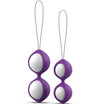
Working on your perineum after childbirth is first and foremost about returning to a daily life without constraints — no more leaks when laughing, sneezing, or jumping. It is concrete, immediate, and improves self-confidence surprisingly quickly. But the benefits go well beyond the functional: a toned perineum significantly improves sensations during sexual intercourse, both for you and for your partner. Many midwives and physical therapists even recommend incorporating tools like geisha balls or certain sex toys specifically designed for this purpose — our article on the role of sex toys in perineal rehabilitation details exactly how it works. Finally, this reconnection with the body is often experienced as an act of self-care, a moment of reclamation that extends well beyond the medical aspect.
Frequently asked questions about perineal rehabilitation
When to start perineal rehabilitation after childbirth?
In France, perineal rehabilitation can begin 6 to 8 weeks after giving birth, once your doctor or midwife has given the green light. Social security covers 10 sessions after a vaginal delivery, and 20 after a C-section. The sooner you start within this recommended timeframe, the more lasting the results — no pressure, just good information to have.
What exercises can you do at home for your perineum?
Kegel exercises remain the foundation: contract the pelvic floor as if holding back urine, hold for 5 seconds, then release. Repeat 10 times, 3 times a day. Accessories like geisha balls can supplement this work, but be careful: they do not replace professional care, especially after childbirth. Always start with the approval of a specialist.
Can perineal rehabilitation really improve sexual pleasure?
Yes, and it is actually one of the reasons most often cited by those who start the process. A more toned perineum amplifies sensations, facilitates orgasm, and reduces pain sometimes felt during penetration after childbirth. Some sex toys available on quedulove.store are actually designed to combine pleasure with muscle strengthening — all without ever having to choose between health and fun.
Explore further: Anorgasmia · Vaginismus