





















































Vaginismus: understanding, managing, and regaining control
About one in ten people with a vulva experiences involuntary contractions at some point that make penetration painful or impossible. This is not a life sentence, nor is it a manufacturing defect. It is a bodily response—sometimes muscular, sometimes emotional, often both—that deserves to be listened to rather than forced. Vaginismus is a message, not a sentence. The pelvic floor muscles contract reflexively, as if the body were saying "stop" before the mind has even had time to think. It can happen during the very first attempt at penetration, or appear later in life, after a painful or anxiety-inducing event. The good news? With the right tools and a little patience, the vast majority of people recover very well. Your body is not your enemy—it is just waiting for you to speak to it gently.
Why addressing it really changes things
Understanding what is happening in your body is already a form of relief. Many people live for years with this type of pain without ever putting a name to it—which fuels anxiety, and therefore the reflex to contract. Naming the problem helps de-dramatize it. In terms of pleasure, appropriate care—often progressive rehabilitation with dilators or sex toys designed for this purpose—allows you to relearn that your body can associate penetration with something pleasant, rather than a threat. It is a true paradigm shift. And in a relationship, it also opens up the conversation: talking about what you feel, what you want, and what you are not ready for yet—that is often where bonds become truly strong.
The questions we really ask ourselves
Which sex toys are recommended for vaginismus?
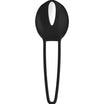
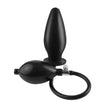
Progressive vaginal dilators are the tools most commonly used in therapeutic support. They come in kits with several increasing sizes, made of soft medical-grade silicone. The goal is not immediate penetration, but teaching the body not to associate opening with a feeling of danger. You start small, progress at your own pace, and do not set a deadline. Discover our selection on Quedulove.
Can vaginismus be cured completely?
In the vast majority of cases, yes. Pelvic floor physical therapy with a specialized professional, combined with work on anticipatory anxiety, yields very good results. Some people make progress in a few weeks, others need several months—and that is perfectly normal. There is no right speed, only yours.
Do tampons make the situation worse?
Not necessarily, but using them can be uncomfortable if the contraction reflex is present. In fact, some people first discover this type of tension while trying tampons. It is not an absolute contraindication, but if it hurts, it is a signal not to ignore—and a good reason to consult a healthcare professional rather than forcing it.
Also explore: Anorgasmia · Vulvodynia