













































Pelvic floor: the area that changes everything gently
Discreet, often ignored, sometimes rediscovered after a pregnancy or a health issue — and yet, it plays a fundamental role in your daily life. The pelvic floor is a collection of muscles and ligaments stretched like a hammock between the pubic bone and the tailbone. It supports the bladder, the uterus, or the prostate, depending on your anatomy, and actively contributes to the quality of your intimate sensations. A surprising figure: it is estimated that 1 in 3 people will experience pelvic weakness at some point in their life — often without knowing it. The good news? These muscles can be worked, strengthened, and awakened with the right exercises and the right accessories. Because taking care of this area means taking care of yourself in the most concrete sense of the term.
Your body has hidden superpowers — you might as well give them a reason to express themselves.
Why strengthening this area is anything but trivial
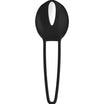
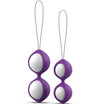
A toned pelvic floor first means fewer daily urinary leaks — that common little nuisance that many suffer in silence during a sneeze or a fit of laughter. It also means faster recovery after childbirth, pelvic surgery, or simply after years of a sedentary lifestyle. But what few people anticipate is the direct impact on pleasure: well-trained pelvic muscles intensify sensations during intimacy, facilitate certain orgasms, and allow for better body control for you and your partner. Strengthening this area is investing in your health and your pleasure at the same time. Specialized accessories — such as geisha balls or pelvic biofeedback devices — exist precisely to make this work pleasant and progressive, without it feeling like a physiotherapy session.
Frequently asked questions about the pelvic floor
How do I know if my pelvic floor is too weak?
A few telling signs: small urinary leaks during exertion, a feeling of heaviness in the lower abdomen, or intimate sensations that are less intense than before. These are not inevitable. A check-up with a specialized physiotherapist can confirm the state of your pelvic musculature in a few minutes, without pain or discomfort.
Are Kegel exercises really effective for strengthening the pelvic floor?
Yes — provided you target the right muscles and are consistent. Kegel exercises consist of contracting and relaxing the pelvic muscles in short, repeated cycles. Their effectiveness is clinically proven. To make them more fun and better feel the muscle work, accessories like geisha balls can really help.
Do men also have a pelvic floor to maintain?
Absolutely — and it is still too little known. In males, these muscles play a role in bladder control, the quality of erections, and the intensity of orgasms. After 40 or after prostate surgery, strengthening them can make a real difference. The pelvic floor is gender-neutral: everyone benefits.
Also explore: Anorgasmia · Vaginismus