






























































































Sexual trauma and pleasure: reclaiming your body with gentleness
Reconnecting your body to pleasure after an intimate injury is one of the most courageous paths there is. And yet, we talk about it so little. According to a 2022 French study, nearly one in five people has lived through a traumatic sexual experience — but the resources to move forward remain rare and often cold. A sexual trauma can turn desire into a minefield: a scent, a touch, a position can be enough to trigger a defensive reaction, even years later. This is not a failure of your willpower. It is your nervous system doing its job — perhaps a bit overzealously, but it had its reasons. The good news? Pleasure hasn't disappeared. It is waiting, somewhere, for you to give it a safe space again. Your body did not betray you: it protected you. Now, it can also heal.
Why exploring this topic really changes things
Understanding the link between trauma and sexuality is, first and foremost, about freeing yourself from guilt that doesn't belong to you. Many people believe they are "broken" — when in fact they are experiencing a normal response to an abnormal experience. Putting words to it is already reclaiming your power. Furthermore, it opens the door to a sexuality thought of differently: slower, more conscious, centered on what your body really likes rather than what it is "supposed" to do. Finally, it also transforms couple dynamics. When you understand your own triggers, you can communicate them — and that changes everything in how you receive and give pleasure. Moving forward on this path means choosing to be the protagonist of your own intimate story.
Frequently asked questions
Can you really regain pleasure after sexual trauma?
Yes — and it is documented. The brain's neuroplasticity allows for the creation of new, positive associations around touch and sexuality. This takes time, often therapeutic support (sexologist, trauma-specialized psychologist), and a great deal of self-compassion. Pleasure is not erased: it is temporarily inaccessible. There are paths to return to it, at your own pace.
How can I talk about my trauma with my partner without complicating everything?
Start by choosing a calm moment, outside of a sexual context. You don't have to explain everything at once: sharing your current boundaries is enough to start. Phrases like "I need us to go slowly with…" are more effective than a full account. A caring partner does not need to understand your entire past to respect your present.
Can a sex toy really help in reconciling with your body?
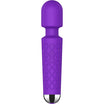
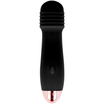
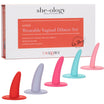
Often, yes — and sexologists recommend it. Exploring on your own, without expectations or an outside gaze, allows you to rediscover sensation at your own tempo. A gentle vibrator, used just for the pleasure of touch (even non-sexually at first), can help desensitize areas of tension. At Quedulove, we have options designed exactly for that: gentle, pressure-free, zero judgment.