

































Queer sexuality: what no one really explained to you
In France, nearly 1 in 5 people identify outside of the strict heterosexual framework — and yet, mainstream sex education often leaves them with only crumbs. The word queer was born as an insult before being reclaimed as a source of pride: it now covers all orientations and identities that break free from the boxes imposed by default. It is not a niche; it is a vast, diverse, and frankly fascinating reality. Whether you are gay, lesbian, bi, pan, non-binary, asexual, or still finding the words for what you feel, this page belongs to you. No hierarchy, no universal instruction manual, no right or wrong way to exist in your desire. At Quedulove, we start with a simple principle: your pleasure deserves as much attention as anyone else's.
Why better understanding your sexuality really changes things
Putting the right words to what you experience is already liberating. When you understand your orientation or that of your partner, conversations become more honest, consent more fluid, and pleasure more focused. This isn't just theory: knowing what you like — and being able to say it — reduces anxiety in intimate moments. It is also useful when choosing a sex toy or accessory: a harness, a plug, or a vibrator don't serve the same purpose depending on bodies and practices. Getting informed means choosing with intention rather than at random. And for couples, exploring the question of identities and desires together strengthens trust well beyond the bed.
Frequently asked questions about queer sexuality
What is the difference between sexual orientation and gender identity?
Sexual orientation refers to who you feel attraction toward — romantic, sexual, or both. Gender identity is how you experience your own gender internally. The two are independent: a trans woman can be straight, bi, or lesbian. Confusing the two is the most common mistake — and the easiest to correct once you understand it.
Which sex toys are adapted for queer practices?
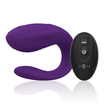
The short answer: almost all of them, depending on how they are used. Harnesses and dildos are designed for lesbian or trans couples but appeal to many beyond that. Anal plugs are suitable for all bodies. External vibrators work regardless of anatomy. The important thing is to choose based on your actual practices, not the label on the box.
Can you "become" queer, or is it innate?
Good question — and science doesn't settle it as firmly as one might think. What is clear: orientation is not a conscious choice, but the way we understand and talk about it evolves throughout life. Some people put a name to it at 15, others at 45. Both are perfectly valid. The timeline is yours.
Also explore: Bisexual sexuality · Endometriosis and sexuality