




























































































Sex therapy: taking back the reins of your pleasure
In France, nearly one in two couples will experience a significant sexual difficulty at least once—yet less than 10% consult a professional. It's not for lack of desire: it’s often for lack of information, or because people aren’t quite sure what it really looks like. Sex therapy is a therapeutic approach that addresses blockages, pain, low desire, or dissonance between partners. You won't be lying on a couch talking about your childhood—it’s more of a structured space for dialogue, with concrete exercises to experiment with at home. A sex therapist works on the body, emotions, and communication, without judgment or taboos. It is a health-focused approach, just like physical therapy for a twisted ankle.
In other words, consulting a sex therapist means choosing to seriously take care of yourself.
Why it’s a genuine health approach
Taking care of your intimate life means taking care of your overall health—and that’s not just an empty phrase. Studies show that a fulfilling sex life reduces stress, improves sleep, and boosts self-esteem. Sex therapy helps identify what is causing a block: physical pain such as vaginismus, performance anxiety, mismatched desire in a couple, or a lack of connection with your own body. It also provides practical tools—sensory exercises, communication protocols, rediscovering touch—that you can integrate into your life without waiting for the next session. It’s concrete, progressive, and deeply respectful of your pace.
Exploring at home, between sessions
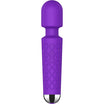
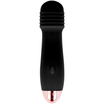
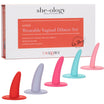
Sex therapy often goes hand in hand with physically reconnecting with your body. Many therapists encourage their patients to explore pleasure autonomously, at their own pace, as an extension of the sessions. This is where well-chosen tools make all the difference. At quedulove.store, you will find gentle stimulators for sensory reconnection, body massagers adapted for pressure-free exploration, or even accessories for pelvic floor exercises often recommended in sex therapy. No judgment, discreet delivery—just what you need to move forward at your own tempo.
Frequently asked questions
How do I know if I need sex therapy?
If you feel regular discomfort, pain, a persistent lack of desire, or tension with your partner regarding sexuality, it is a signal that deserves to be heard. You don’t need to wait for a "real crisis." An initial appointment is often enough to take stock—no commitment, no labels, and no need to explain everything all at once.
Does sex therapy really work, and how many sessions does it take?
Yes—clinical studies show positive results for a large majority of patients. The number of sessions varies depending on the issues: between 6 and 20 on average. Some people feel changes within the first few weeks. The key is involvement between sessions—the exercises practiced at home play a central role in progress.
Do you have to do embarrassing things during a sex therapy session?
No—a session takes place fully clothed, in a standard office. There is no physical contact and no demonstrations. You talk, clarify things, and work on perceptions and emotions. Body exercises are always done alone or with your partner, at home. The session is the space for conversation. You explore the rest in complete privacy.