










































Vaginal pH: what your body is trying to tell you
Your vagina is a living, precise, and frankly impressive ecosystem. It naturally maintains an acidic environment with a pH level between 3.8 and 4.5—which is more acidic than a glass of white wine. This slightly acidic level is no accident: it protects against unwanted bacteria, maintains a healthy flora, and contributes directly to your comfort in daily life as well as during your moments of pleasure. The problem is that certain products—cheap lubricants, scented soaps, or even some condoms—can disrupt this balance without you even realizing it. The consequences? Irritation, dryness, discomfort, or even recurring infections. Choosing products suited to this balance isn't paranoia—it's just listening to what your body has always known how to do.
In other words, your vagina is better calibrated than most high-tech devices—you might as well not disrupt it.
Why this changes everything for your pleasure and health
A preserved balance means, first and foremost, fewer daily discomforts: no more irritation after intercourse or dryness that spoils the moment. When you choose a lubricant with a compatible pH—generally between 3.8 and 4.5 for vaginal lubricants—you are working with your body, not against it. It is also a matter of tangible pleasure: healthy mucosa is more sensitive and more receptive. And if you use toys or condoms, a well-formulated lubricant protects both the vaginal flora and the material of your accessories. One single product, three good reasons to choose it carefully.
Frequently asked questions about vaginal pH
Which lubricant should I choose to avoid unbalancing my vaginal pH?
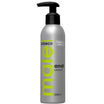
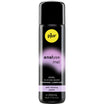
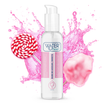
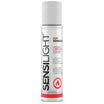
Opt for a water-based lubricant formulated with a pH between 3.8 and 4.5, specifically designed for vaginal use. Avoid products containing glycerol, fragrances, or harsh preservatives like chlorhexidine—they are known to disrupt flora. Our selection of lubricants includes gentle and compatible formulas.
How do I know if my vaginal pH is unbalanced?
The most common signals are itching, an unusual odor, different discharge, or persistent dryness. These symptoms do not necessarily mean a serious infection, but they deserve attention. pH tests sold in pharmacies can provide an initial indication, and medical advice remains the best option in case of doubt.
Can kitchen lubricants replace a real lubricant?
Coconut oil, olive oil, or shea butter have a neutral to basic pH—the exact opposite of what is needed. In addition to damaging latex condoms, they promote the development of unwanted bacteria. It's tempting, convenient, and frankly discouraged. A lubricant designed for this purpose is really better for everyone.
Also explore: Water-based lubricant · Silicone-based lubricant