










































Perineum: the muscle of pleasure we forget too often
Discreet, deep, often ignored—and yet central to almost everything that matters. Located between the pubic bone and the tailbone, it is a true muscular hammock that supports the pelvic organs and plays a direct role in sexual sensations. Nearly 30% of women and a growing number of men suffer from a weakened perineum at some point in their lives, often without even knowing it. This muscle is involved during orgasm—you know its involuntary contractions—but also in continence, posture, and local blood circulation. Little known and rarely discussed with a doctor, it nevertheless deserves your full attention. Because a well-informed body is a body that experiences more pleasure.
In other words, your perineum has been working behind the scenes all along—it's time to return the favor.
Why taking an interest in it is a real game-changer
A toned perineum means, first and foremost, increased pleasure intensity. The muscle contractions during orgasm are more pronounced and the sensations sharper, whether you have a vulva or a penis. Working this muscle—through simple exercises or with dedicated accessories—tangibly improves the quality of your sex life. It’s also a matter of daily health: urinary leakage, pelvic pain, and discomfort during penetration can all be linked to a pelvic floor that is under tension or too relaxed. Finally, for couples, exploring this area together can open up conversations about the body, needs, and desires—and that, in itself, is a precious form of intimacy.
Products designed to explore and strengthen this area
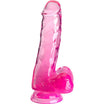
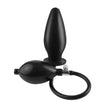
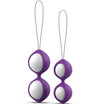
If you want to go further, certain accessories are designed precisely for this. Kegel balls are among the most effective for gently working on muscle tone, with progressive usage adapted to all levels. Internal deep-vibration stimulators, for their part, target the nerve endings of the pelvic floor to intensify sensations. You can explore a whole selection of these products directly on quedulove.store, with clear, jargon-free descriptions to help you choose what really suits you.
Frequently asked questions about the perineum
How do I know if my perineum is too weak or too tight?
A perineum that is too weak often manifests as slight urinary leakage during exertion or a feeling of "emptiness" during intercourse. An overactive perineum, on the other hand, can cause pain during penetration or a feeling of constant pelvic tension. In both cases, an assessment with a physical therapist specializing in pelvic rehabilitation remains the best starting point.
Are Kegel exercises really effective for pleasure?
Yes, and studies confirm it. Regularly contracting and relaxing this muscle group improves local vascularization, and therefore arousal and lubrication. For people with a penis, it can also delay ejaculation and intensify orgasm. The effect is not immediate—count on four to six weeks of regular practice before feeling a real difference.
Is there a link between the perineum and the "different" types of orgasms everyone talks about?
Absolutely. The richness of internal sensations—the so-called G, A, and P spots depending on anatomy—depends largely on the tone and sensitivity of the pelvic floor. A well-vascularized and "conscious" muscle perceives stimulation better. Some people discover orgasms they had never felt before simply by learning to inhabit this area. No miracles, just well-directed curiosity.