















































































Female masturbation: what your body has been waiting for
Long relegated to the realm of the unspoken, female solitary pleasure is nonetheless universal. A 2019 IFOP study reveals that 90% of women masturbate—yet less than half speak about it openly. This gap between practice and discourse speaks volumes about the taboo that persists. However, exploring one’s own body, pleasure zones, and rhythms is one of the most natural things there is. The clitoris alone has over 8,000 nerve endings. Just that. It is an organ designed exclusively for pleasure—and nothing else. Understanding how it works and learning to listen to it means giving yourself access to an intimate navigation map that no one else can draw for you.
In other words: you are the absolute expert on your own pleasure—you just have to give yourself permission to be.
Why taking this subject seriously really changes things
Knowing yourself intimately is first and foremost a health issue. Genital stimulation releases oxytocin and endorphins—two molecules that reduce stress, promote sleep, and can even soothe menstrual pain. This isn't a bonus: it’s biology.
But there’s more. Knowing what feels good to you also means knowing how to communicate it. Whether you are alone or in a relationship, this self-knowledge transforms intimate encounters. You no longer wait for someone to guess—you guide, you share, you choose.
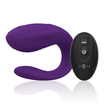
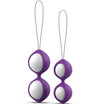
And if you’re considering adding a toy to your exploration, understanding your preferences allows you to make a truly informed choice. Internal or external stimulation, gentle or intense vibrations—all of this is discovered first on your own, at your own pace, without pressure.
Frequently asked questions about female masturbation
Is female masturbation normal and safe?
Yes, completely. It is a healthy, well-documented practice that is common at all ages. There are no physical risks associated with masturbation itself. The only thing to watch for: use clean and appropriate accessories. On the mental side, if guilt creeps in, it is often the legacy of a social taboo—not a medical reality.
How do you masturbate when you're not sure where to start?
Start with exploration, without a specific goal. Take the time to touch different areas—clitoris, labia, vaginal opening—with different pressures and rhythms. Mental arousal plays as much of a role as the physical act: a fantasy, erotic reading, a certain atmosphere. There is no right method, just what resonates for you. A clitoral vibrator can be an excellent starting point.
Can you become "addicted" to your vibrator and not feel anything otherwise?
The big question! No, your clitoris does not "wear out." However, if very intense stimulation becomes the only reference, you might need a little time to readapt to other sensations—like recalibrating the volume after a concert. Varying intensities and approaches keeps your sensitivity alert and curious. Your body is much more adaptable than a Bluetooth speaker.
Also explore: Solo pleasure · Couple play