
























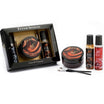






















Oil-based lubricant: intense glide, but not for everyone
Among all personal lubricants, there is one that plays in a league of its own. The oil-based formula is renowned for one thing: a long-lasting, almost inexhaustible glide that even resists water. That is its superpower. And it is also what makes it a product to choose with your eyes wide open.
A detail that many overlook: oil weakens latex in less than 60 seconds. In concrete terms, if you are using a latex condom, a dental dam, or certain sex toys, this formula is simply not compatible. The risk of breakage is real, and that changes everything in the equation.
Aside from that, it is a formidable ally for massages, non-penetrative encounters, or times when you want a wrapping and long-lasting sensation. You can also consult our complete guide to choosing your personal lubricant if you are still hesitating between formulas.
In short: a competitive glide, provided you know when to invite it.
Why it deserves serious consideration
Choosing a lubricant also means choosing what you put on — and sometimes in — your body. The oil-based formula has real selling points: it nourishes the skin, is suitable for sensitive skin, and offers a soft, natural sensation that many describe as feeling closer to the body than synthetic gels. For erotic massages or practices like masturbation or external stimulation, it is often an immediate favorite.
The other good news is its longevity. Where a water-based lubricant is quickly absorbed and requires reapplication, the oil-based version lasts—ideal for long sessions or moments where you want to stay in the mood without interruption.
But intimate health also means knowing what to avoid. With prolonged vaginal use, certain oils can disrupt the flora. It is better to prefer dermatologically tested formulas and read the composition before buying — our selection of lubricants helps you make the right choice.
The questions we really ask ourselves
Is an oil-based lubricant compatible with condoms?
No, and this is the most important point to remember. Oil degrades latex in a few seconds, which can cause the condom to break and cancel out all protection. If you use latex or polyisoprene condoms, opt for a water-based or silicone-based lubricant instead. Polyurethane condoms are an exception — always check the packaging.
Can you use an oil-based lubricant with sex toys?
It depends on the toy's material. Silicone, latex, or rubber sex toys are incompatible with oil-based formulas: the surface deteriorates and can become porous, making it difficult to disinfect. Conversely, toys made of glass, metal, or hard ABS plastic tolerate this type of lubricant very well. When in doubt, a water-based lubricant remains the universal safe bet.
Can you replace an oil-based lubricant with coconut oil from the cupboard?
Technically, coconut oil works in the short term — and many people do it. But be careful: it is not sterile, can disrupt the vaginal flora, and has not undergone any intimate use testing. A product designed for this purpose will have a controlled composition, an appropriate pH, and often soothing active ingredients. For an occasional situation, it's doable. For a habit, a proper formula is better.
Explore also: Water-based lubricant · Silicone-based lubricant