


































Anal lubricant: the guide to getting it right
There is a lot of talk about positions, toys, and desire — but rarely about what makes it all truly comfortable. Yet, the anal area produces no natural lubrication. Zero. Unlike the vagina, it does not adapt to friction on its own. Without suitable lubricant, the mucous membrane is fragile and the sensation can quickly become unpleasant, or even painful. It’s a simple anatomical fact, not a question of technique or experience. According to several studies on sexual health, more than 70% of people who have had an uncomfortable anal experience did not use enough lubricant — or used the wrong type. A well-chosen product literally transforms the experience: from "I'm not sure" to "oh, so that's what it's like." In other words, the right lubricant is the difference between a creaky door and a well-oiled one — and we all prefer the second option.
Why anal lubricant really changes everything
The first benefit is pure comfort. The anal mucosa is thin and sensitive: without proper protection, even gentle exploration can create micro-irritations. A thick, long-lasting lubricant creates a protective barrier that allows the body to open at its own pace, without forcing it. This is the number one condition for pleasure to exist.
Next, there is the question of pleasure itself. When friction is removed, sensations become sharper, more intense, and easier to control. Many people truly discover what this area can offer once they use the right amount of product — and often, they regret not having done so sooner.
Finally, the type of formula matters depending on what you are using. A water-based lubricant is compatible with all silicone toys. A thicker formula, like a gel or hybrid, lasts longer without reapplication. Knowing the difference means avoiding unpleasant surprises — and damaged toys.
Exploring the anal area with the right accessories
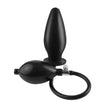
A good lubricant should never be used on its own in a vacuum — it accompanies exploration. If you are considering going further, anal plugs are accessories designed exactly for that: progressive, ergonomic, and crafted to gently accustom the body to dilation. They come in different sizes to start without pressure. Combining an entry-level plug with a thick water-based lubricant is the most recommended combination for a successful first time — or to rediscover pleasure after a bad experience. Equipment is truly part of the equation.
And if you want to go even further in choosing your formula, our guide How to choose your intimate lubricant? compares all types of textures, bases, and compatibilities — clearly, without jargon.
Frequently asked questions about anal lubricant
What is the difference between an anal lubricant and a regular lubricant?
A lubricant designed for anal use is generally thicker and longer-lasting than a standard product. The anal area does not relubricate itself naturally, so the formula must hold up over time without drying out. Some also contain soothing agents for sensitive mucous membranes. A classic lubricant can help in a pinch, but it will often be too fluid and require numerous reapplications.
Can you use an anal lubricant with a silicone plug?
Yes, provided you choose a water-based formula. Silicone-based lubricants degrade silicone toys over time — they attack the surface and make it porous. For a medical-grade silicone plug, water remains the safest base. If you are using a metal or glass toy, you have more freedom regarding the chosen formula.
Can you really use "too much"?
Honestly? Almost never. The fear of using too much is far more common than the opposite problem. When it comes to anal exploration, generosity is a virtue. The only real limit: if you are using a condom, some very oily formulas can weaken it. In all other cases, an extra layer will only improve the experience — and make life easier.
Also explore: Lubricant osmolarity · Warming lubricant