




























































STIs and sex toys: what you really need to know
We often talk about pleasure, but much less about what surrounds it. Yet, a study published in the British Medical Journal has shown that certain STIs like herpes or HPV can be transmitted via shared objects—sex toys included. No need to panic: this doesn't mean you have to put your toys away in the closet. It means a little bit of information changes everything. STIs are transmitted through contact with mucous membranes or bodily fluids, and an uncleaned sex toy can act as a vector, even between uses. This isn't a reason to be afraid; it's a reason to understand. The right habits are simple, quick, and don't ruin the mood. Because pleasure that is well-prepared is pleasure that can be repeated.
Why it's important to make the connection between STIs and sex toys
Knowing the real risks—neither exaggerated nor minimized—allows you to make informed choices, for yourself and for your partners. A sex toy shared without protection can transmit certain bacterial or viral infections, even in the absence of visible symptoms in the other person. Understanding this also helps you choose your materials better: a non-porous medical-grade silicone toy is much easier to disinfect than a PVC toy, which traps bacteria in its micro-pores. This is directly useful at the time of purchase. And when it comes to couples or multiple partners, talking about it openly—without drama—strengthens trust as much as it does pleasure. Prevention is not the opposite of desire. It is what allows it to last.
Frequently asked questions about STIs and sex toys
Can you really catch an STI from a sex toy?
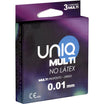
Yes, it's possible—but avoidable. Certain STIs like herpes, chlamydia, or HPV can survive from a few minutes to a few hours on an uncleaned surface. The risk exists primarily during sharing without prior disinfection. A thorough cleaning between each use, or using a condom on the toy, is enough to reduce this risk to almost zero.
How do you properly clean a sex toy to avoid any risk?
It depends on the material. A pure silicone, glass, or stainless steel toy can be sterilized in boiling water or a dishwasher (without a motor). For other materials, a specific sex toy cleaner is sufficient—mild soap and warm water also work. The important thing: clean before and after each use, not just after. Porous toys, however, never truly disinfect completely.
Does a sex toy used alone still carry an STI risk?
Solo, the risk of STI transmission is zero—you cannot infect yourself with your own bacteria via a clean toy. However, improper cleaning can cause irritation or imbalances in your intimate flora, which can weaken the mucous membranes. If you want to dive deeper into the question of materials and sensitivity, this article based on scientific data is for you.