































































Gender fluidity: living between the lines, in one's own way
Somewhere between the boxes of "man" and "woman," there is an entire space that millions of people inhabit every day. According to a 2023 Ipsos study, 1 in 5 people worldwide considers themselves not strictly heterosexual or cisgender — and this figure rises significantly among those aged 18-34. Gender fluidity is the idea that gender is not a fixed state, but can evolve, fluctuate, and reinvent itself depending on the day, the context, or one's desires. Neither a whim nor confusion: it is a way of inhabiting one’s identity with honesty. Some people feel like a woman on Monday, neither one nor the other on Thursday, and something undefinable on the weekend — and all of that is perfectly coherent. Understanding this concept also means understanding oneself better, and better welcoming those we love.
Your identity doesn’t need a form to be filled out — just space to exist.
Why understanding gender fluidity really changes things
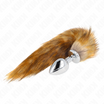
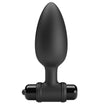
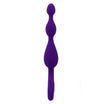
When we accept that gender can be fluid, it first changes the relationship with oneself. No more injunctions to "pick a side": we give ourselves permission to explore without justifying it. In a couple or a relationship, this understanding opens up more sincere conversations about desires, attractions, and ways of touching — and therefore, a richer intimacy. It is also a valuable tool when choosing pleasure products: knowing that gender does not determine what one likes to wear, use, or feel frees up choices far beyond the "for her" and "for him" aisles. Concretely, this means exploring without filters — and often, discovering that what you thought "wasn't for you" is exactly what you wanted.
Frequently asked questions about gender fluidity
Are gender fluidity and non-binary the same thing?
Not quite. Non-binary refers to a gender identity that does not fit entirely into the masculine or entirely into the feminine — it is a stable position for many. Fluidity, on the other hand, implies movement: identity can vary over time. A gender-fluid person may feel non-binary at times, and closer to a binary gender at others. The two can overlap, but are not synonymous.
How can I talk about gender fluidity to a partner without scaring them?
The essential thing is to start from your concrete experience rather than a theoretical definition. Saying "some days I feel differently than usual, and I’d like to be able to explore that with you" is often more accessible than starting with a lecture. Shared curiosity is a much gentler entry point than a demonstration. And a partner who really listens to you, that always begins with a pressure-free conversation.
Can you be fluid in your gender AND in your tastes for sex toys?
Absolutely — and it is even often linked. Many people notice that their desires in terms of pleasure evolve at the same time as their relationship with their body and their gender. One day you want something soft and enveloping, the next day something more assertive. At quedulove.store, we have chosen to present products without gender labels — because pleasure itself has never had a box.