





































Gender dysphoria and pleasure: your body, your rules
Navigating your sexuality when your own body seems to be working against you is a reality experienced by millions of trans and non-binary people around the world. According to a 2022 study, more than 65% of trans people report that gender dysphoria directly impacts their intimate life—not because pleasure is inaccessible, but because no one has given them the right tools. The dissociation between felt identity and perceived body can make certain experiences painful, distant, or even impossible to fully live. However, pleasure doesn't require everything to be perfect to exist. It just asks that you look for it in the right place, with the right people—and sometimes, the right accessories. Because your body deserves to be tamed at your own pace, not according to a universal manual that never suited you.
In other words: your pleasure isn't waiting for the validation of your mirror—it's waiting for you.
Why exploring this topic can truly change things
Understanding the intersection between dysphoria and intimacy first means giving yourself permission to desire differently. Many trans people discover that refocusing attention toward zones of comfort—rather than fleeing from zones of discomfort—radically transforms their relationship with themselves and their partners. Pleasure accessories play a concrete role here: they allow for exploration without pressure, reinventing what "touch" means to you, and creating new sensation circuits where the old map no longer worked. It is also a tool for dialogue in relationships: naming what triggers dysphoria opens up a space for more authentic intimacy with a partner. Pleasure then becomes an act of self-affirmation, not a performance imposed by others.
Frequently asked questions about gender dysphoria and pleasure
How can I experience pleasure when certain parts of my body trigger dysphoria?
The key is often to shift the focus rather than erase it. Exploring erogenous zones that are less emotionally "charged," using accessories that transform the sensory experience, or practicing with your eyes closed and with pleasant sounds or textures—all of this helps to short-circuit dysphoria. Many also find that external vibrators or strokers allow them to dissociate the sensation from their perceived anatomy.
Are there toys designed specifically for trans people?
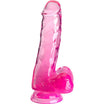
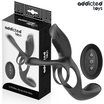
Yes, and the market is evolving quickly. Packers, STPs (stand-to-pee devices), wearable vaginal prosthetics, or adapted harnesses are designed to affirm identity as much as for pleasure. Certain wearable vibrators also allow for modifying body perception during intimacy. The important thing is to choose based on what affirms you, not on what is "supposed" to work. Discover our inclusive selection here.
Can pleasure really help in living better with dysphoria?
No magic promises—but yes, often. Relearning to inhabit your body through pleasure is a form of gentle and chosen reconnection. Therapists specializing in trans sexology even speak of "positive embodiment": the act of associating your body with pleasant sensations can gradually reduce the feeling of strangeness. It is not a treatment. It is just a door—and you decide if you want to open it.