


































































































Chronic pelvic pain: understanding and living better
Approximately 1 in 6 people live with pelvic pain that has lasted for more than six months. It’s a long time, it’s exhausting, and yet it is still too often downplayed—by doctors, by those around us, and sometimes even by ourselves. The pelvis is an area that is ultra-dense with muscles, nerves, and organs. When something goes wrong in there, it affects everything: how you move, sleep, experience pleasure, and exist within your body. The causes are numerous—endometriosis, muscle tension, pelvic floor syndrome—and so are the solutions. The good news? We are finally starting to talk about it seriously. Your pelvis deserves as much attention as the rest of your body—and much more gentleness.
Why taking this seriously really makes a difference
Understanding what is happening in your pelvis is the first step toward no longer just enduring it. Well-identified pain is pain that can be targeted—with pelvic floor physical therapy, adapted medical follow-up, or tools designed to restore comfort to this area. Beyond physical relief, it also changes your relationship with your body and your pleasure. Many people think that pain during sex is "normal"—it is not. Putting a name to it and consulting a specialized healthcare professional means giving yourself permission to live without this constant burden. And that has a direct impact on overall well-being, your relationship, and self-confidence.
Products designed for your comfort and pleasure
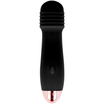
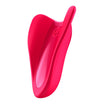
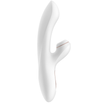
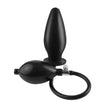
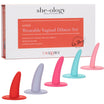
Certain tools can support medical treatment or simply help you gently reacquaint yourself with this area. Progressive vaginal dilators, for example, are often recommended as a complement to pelvic floor physical therapy. Gentle vibration massagers can help relax pelvic muscles and regain a peaceful relationship with your body. If you want to explore these options at your own pace, the Quedulove collection features products chosen for their quality and their caring approach to intimate well-being. Always as a complement to medical advice, never as a replacement.
Frequently asked questions about chronic pelvic pain
How do I know if my pelvic pain is chronic?
We speak of chronic pelvic pain when it has lasted for more than six months, continuously or recurrently. It can manifest in the lower abdomen, back, hips, or during sexual intercourse. If this is your case, consult a doctor or a specialized gynecologist. A precise diagnosis is the foundation of everything—and you deserve to be taken seriously.
Can pelvic floor physical therapy really help with this pain?
Yes, in many cases. Pelvic floor physical therapy, performed by a specialized physical therapist, helps release muscle tension and rebalance the area. It is often prescribed for endometriosis, vaginismus, or postpartum pain. It is a gradual process, but the results regarding quality of life—and pleasure—can be significant.
Is it possible to experience sexual pleasure while suffering from chronic pelvic pain?
Yes—and this question is much more legitimate than it seems. Pleasure should not be put on hold indefinitely. With the right tools, a gentle approach, and appropriate medical support, it is possible to reclaim your body and rediscover pleasant sensations. Certain practices or products can even be part of the recovery journey.