






































Silicone lubricant compatibility: the rule that changes everything
One single mistake is enough to turn a high-end sex toy into a sticky, unusable surface. Silicone and lubricant compatibility is the number one rule everyone should know before buying—and yet, it is rarely explained clearly. Here is the problem: silicone is a porous material at its surface, and silicone-based lubricants chemically attack this surface, degrading it, making it sticky, or even cracking it. The result? Your favorite toy ends up in the trash after one or two uses. About 70% of sex toys sold today are made of silicone—which shows just how much this subject concerns almost everyone. Fortunately, the solution is simple once you know it.
Your toy deserves better than a chemical accident.
Why it really matters for your pleasure (and your wallet)
Using the wrong lubricant with a silicone toy is, first and foremost, a matter of durability. A damaged toy no longer glides correctly, creates unpleasant or even painful friction—the pleasure evaporates instantly. Furthermore, a degraded surface becomes porous and difficult to disinfect, which poses a real intimate hygiene issue in the long run. Finally, from a practical perspective, a good water-based lubricant preserves the material, lasts perfectly for most uses, and rinses off without leaving any residue. Understanding this compatibility also means making a better choice from the moment of purchase: no need to urgently buy a replacement toy or an unsuitable lubricant.
The right lubricants for your toys are right here
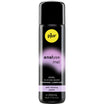
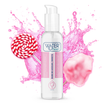
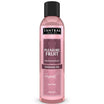
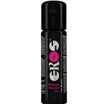
If you are looking for a lubricant that respects your silicone toys while providing a smooth and pleasant sensation, water-based lubricants are your best option—they are compatible with all materials, easy to clean, and available in different textures depending on what you like. You can also explore hybrid lubricants formulated specifically to remain compatible with silicone. Our collection of lubricants brings together a selection designed for all uses, all bodies, and all desires—without you having to guess what goes with what.
Frequently asked questions about silicone and lubricant compatibility
Can you use a silicone-based lubricant with a silicone sex toy?
No, this is the combination to avoid at all costs. A silicone-based lubricant reacts chemically with the surface of a silicone toy: it degrades it, making it sticky and porous. This reaction is irreversible. Always favor a water-based lubricant with your silicone toys—it is the golden rule. To go further, our article Which lubricant should you use with a silicone sex toy? explains everything in detail.
How do I know if my sex toy is really made of silicone?
Real silicone is odorless, slightly matte, and flexible without being sticky. A plastic or PVC toy will often have a pronounced chemical odor and a shinier surface. When in doubt, check the product description: body-safe materials like medical-grade silicone are always mentioned explicitly. With us, every product page specifies the material used.
What if I have already used the wrong lubricant — is my toy ruined?
Sometimes yes, sometimes no—it depends on the length of exposure. If the surface has become sticky or shows micro-cracks, degradation has begun and the toy should be replaced for hygiene reasons. If it was a short exposure and the surface seems intact after rinsing, monitor its condition during the next use. When in doubt, your pleasure (and your peace of mind) is worth a fresh start.
Also explore: Silicone-based lubricant · Water-based lubricant